
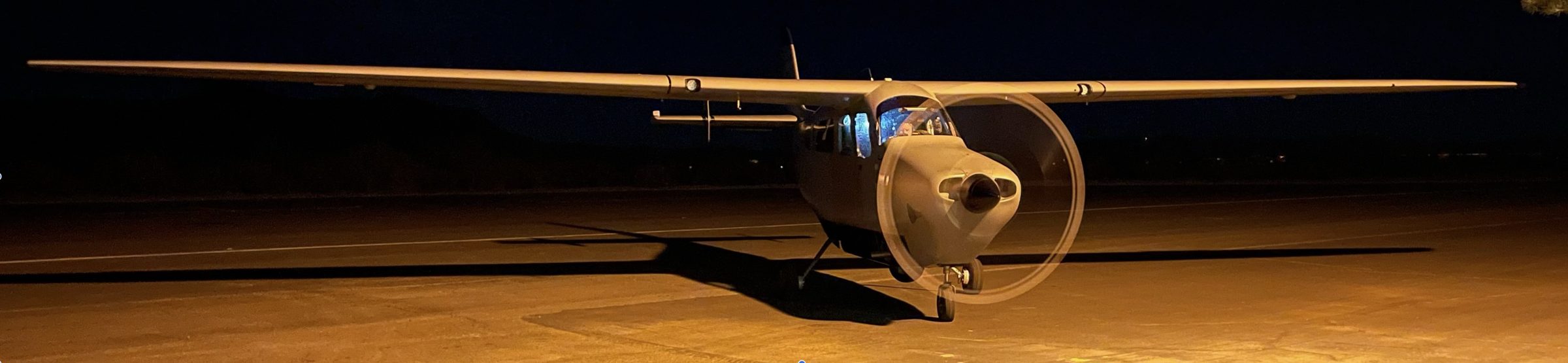
Long-line insertion & extraction
Reach the ground without landing.
LINEX is a fixed-wing system for lowering and recovering personnel, mission equipment and critical supplies from a circling aircraft—while the platform remains at altitude and on speed.
LINEX v.2 concept configuration · Platform integration and operational approval are aircraft- and mission-specific.
The operating idea
Built around the orbit.
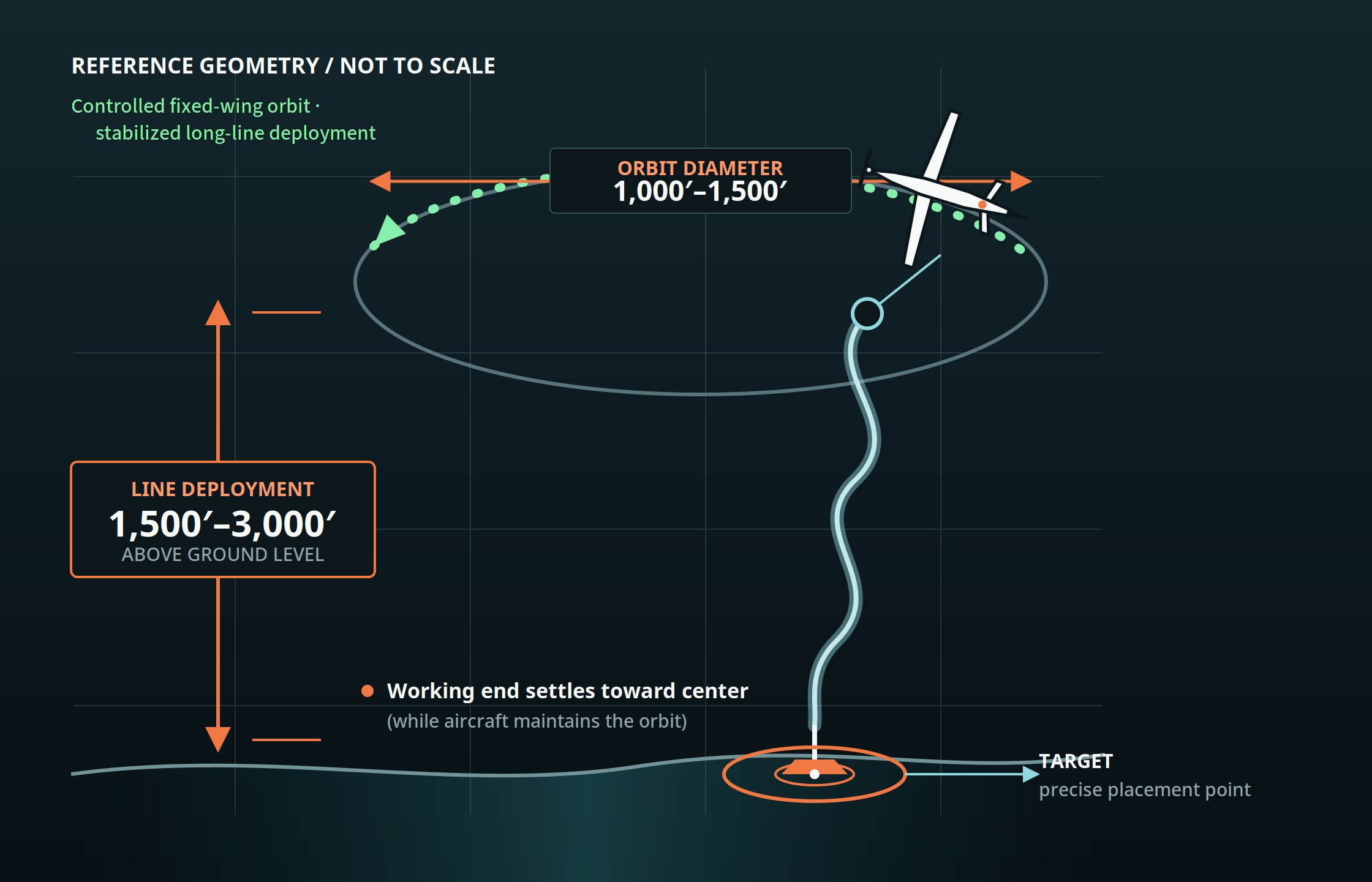
The aircraft establishes a controlled circular flight path above the target area. The winch pays out up to 3,000 feet of high-strength line, allowing the working end to settle over a precise point below.
The aircraft maintains a typical 80–85-knot orbit as the line, personnel or payload descends.
Crew coordination, position sensing and line-end controls support placement in confined or sensitive areas.
The aircraft climbs clear of nearby obstacles and transitions to egress while the load is winched aboard.
Purpose-built hardware
A system, not a repurposed hoist.
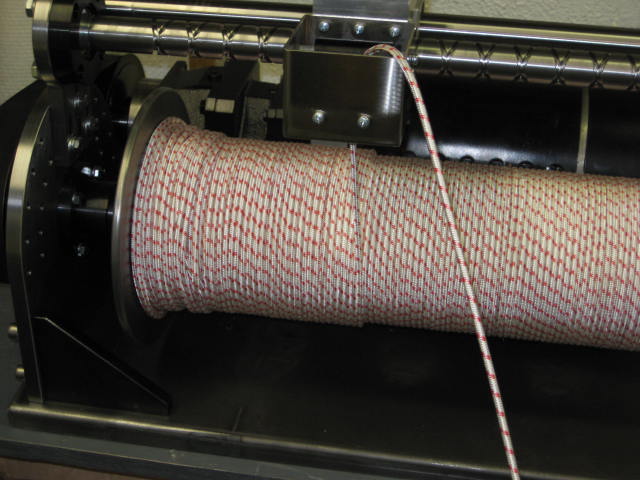
The LINEX winch was designed from the outset for long-line fixed-wing operations. The v.2 configuration has been built and tested around a current maximum load of 450 pounds, with a normal expected load near 250 pounds.
- 48VDC power supply
- Electric motor and gearbox
- Large spool with baler assembly
- Up to 3,000′ of line
- Power electronics and control package
- Two backup braking systems
Platform integration
Designed with the QS3. Adaptable beyond it.
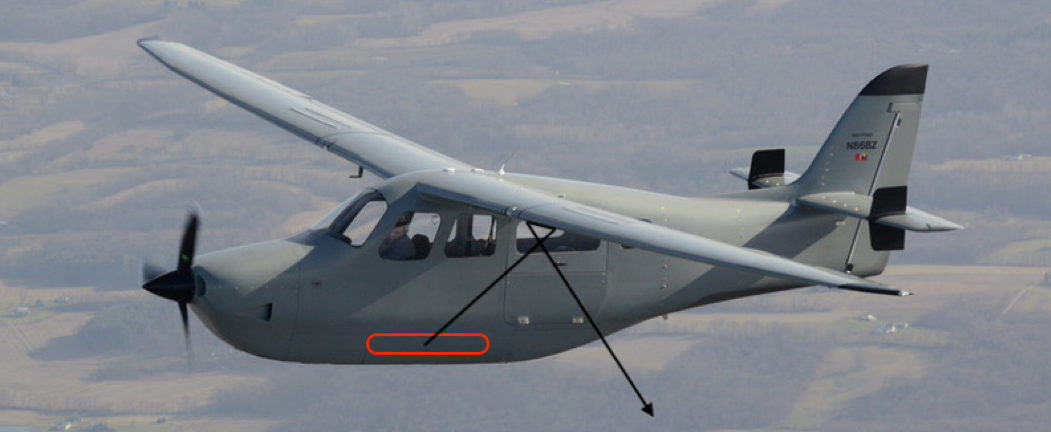
LINEX was developed alongside the NightHawk QS3, where the winch components are intended to mount within the airframe and left wing trailing-edge area near the aircraft’s 44″ × 45″ cargo door.
QS3 NightHawk — integrated low-signature insertion, extraction and mission-support configuration.
Cessna 208 Caravan, DHC-6 Twin Otter and Quest Kodiak — candidate aircraft with suitable cargo-door geometry.
Group 4 UAS — integration concepts include MQ-1-, MQ-9- and similar-size platforms.
Mission profiles
One architecture. Five operating ideas.
LINEX extends the reach of fixed-wing aircraft into missions normally constrained by runway access, helicopter range, acoustic exposure or precision-placement requirements.
Low-signature access to confined areas
Deliver or recover personnel and critical cargo without landing. The aircraft remains in a controlled orbit above the objective, reducing dependence on prepared strips or helicopter access.
Uncrewed recovery beyond helicopter range
A Group 4 UAS concept pairs LINEX with a purpose-built rescue pod, position sensors and communications. An orbiting aircraft can place the recovery package near a mobile survivor, lift clear of terrain and secure the pod for transit.
Resupply in. Medevac out.
A LINEX-equipped aircraft can recover a prepared supply package from one location, place it inside a remote position and use the return flight to extract an injured person—while continuing to provide airborne observation.
Place, verify and retrieve remote sensors
LINEX can lower a sensor package—or a technician with the package—to a selected site. EO/IR observation, communications and remote release support placement verification before the aircraft departs.
Deploy sensors below the aircraft
The long line can carry chemical, biological, nuclear, SIGINT, SONAR or anti-submarine-warfare sensors. A low-speed aircraft may move among successive collection points while keeping specialized equipment clear of the airframe.
Mission set
From logistics to remote sensing.
- Personnel delivery & extractionConfined, remote or sensitive operating areas.
- Critical resupplyPrecision delivery to mobile teams, remote outposts and isolated locations.
- Medevac & rescueRecovery of wounded, injured or stranded personnel, including maritime scenarios.
- Sensor placementLow-profile emplacement and extraction of signal-collection devices.
- Tethered sensingChemical, biological, nuclear, SIGINT, SONAR and ASW mission concepts.
- Object recoveryRapid retrieval of mission equipment or evidence from land or water.
Extended mission concept
Maritime surveillance without a shipborne sensor.
A LINEX-equipped aircraft can deploy and recover a dipping sensor at successive ocean stations. The concept combines the transit speed and endurance of a fixed-wing platform with the ability to place mission equipment directly at the surface.
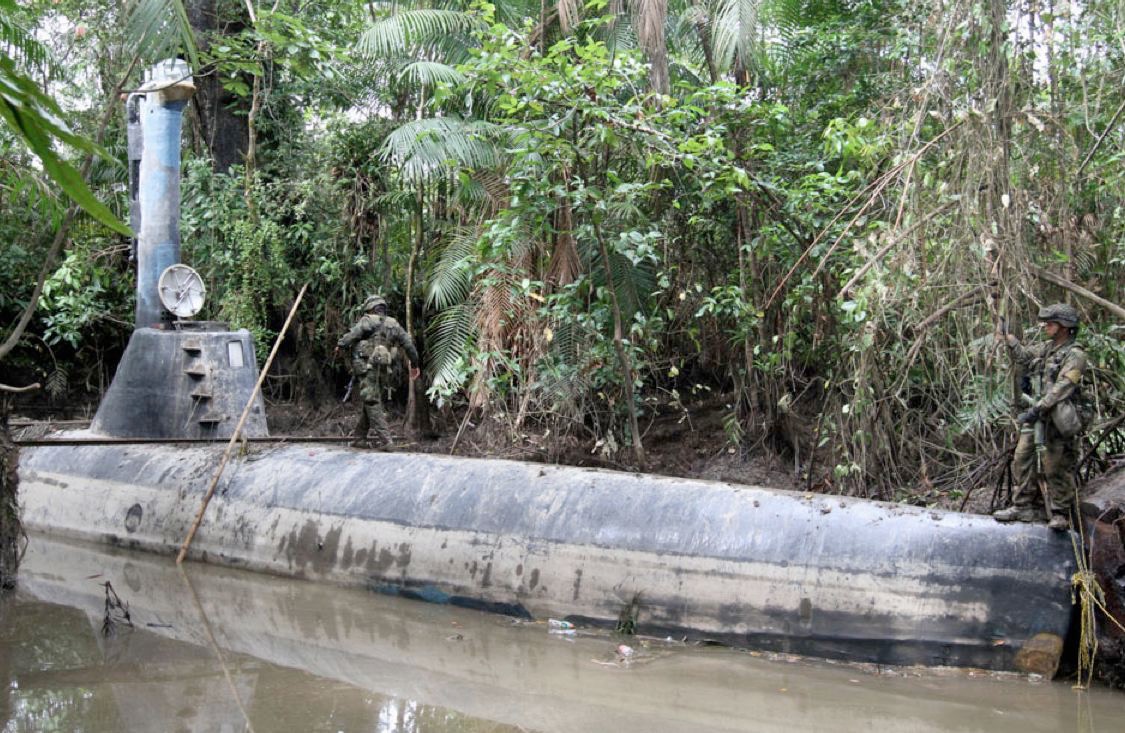
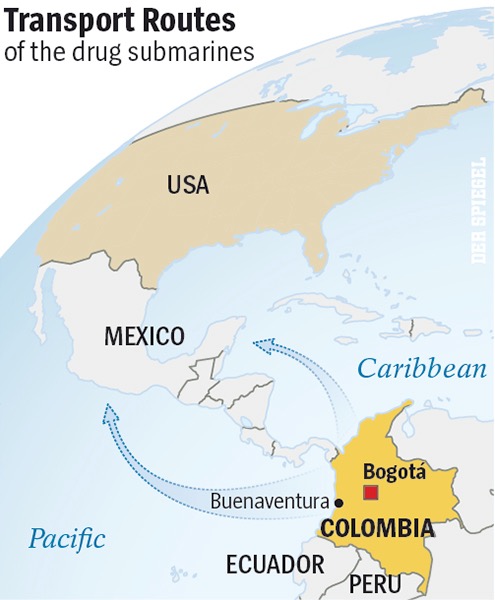
Counter-trafficking and search missions are one example: establish collection points, lower the payload, gather data, recover the sensor and continue—without landing between stations.
Training & operations
Precision flying is part of the system.
Daylight operations are straightforward but demand practice. Night, rough-terrain and open-water missions add complexity and require disciplined crew coordination, specialized equipment and precise control of descent and lateral movement near the surface.
Envisioned military pilot program
Training progresses from stable daylight orbits and cargo placement to more demanding line-end control, crew coordination and mission-specific scenarios.
A precision-orbit autopilot may reduce flight-path disturbances caused by winds, turbulence and pilot-control inputs.
Program conversation
Discuss an aircraft, mission or test objective.
NightHawk Aircraft can discuss LINEX integration concepts, platform compatibility and mission-driven development priorities.